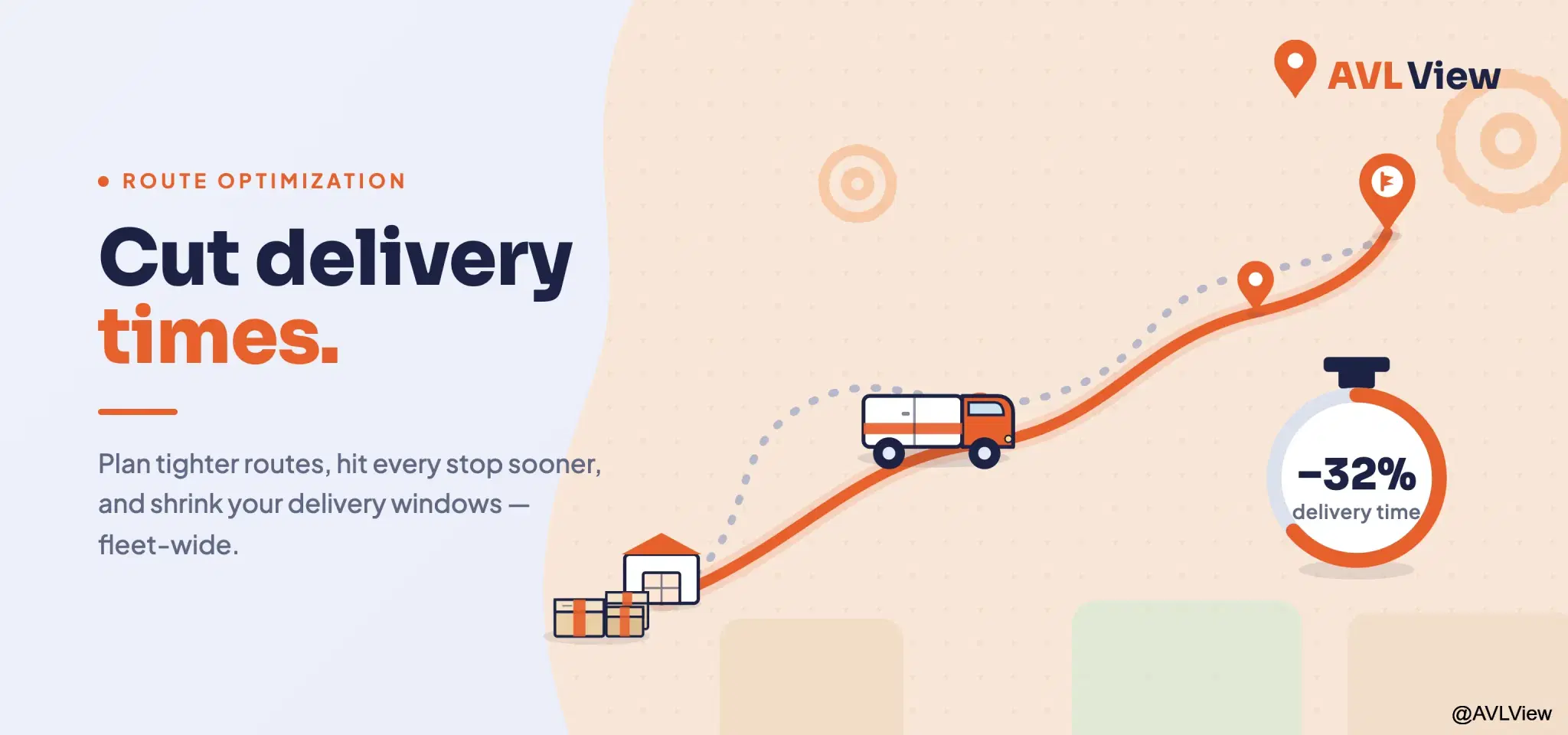
Route Optimization: Cut Delivery Times by 30%
What You'll Learn
Discover how GPS-powered route optimization cuts delivery times by 30%, reduces fuel costs, and improves customer satisfaction for logistics fleets.
Best for:
Logistics & Delivery professionals and fleet managers
In the fast-paced logistics world of Dubai, Riyadh, Lagos, and Singapore, every minute of delay costs real money. Fleet managers relying on manual route planning lose 15-30% of delivery time to inefficient routes, avoidable traffic congestion, and disorganized stops. Route optimization is not just a tech feature — it is an operational necessity that separates profitable fleets from those bleeding money.
Why Manual Route Planning Fails
When a dispatcher plans routes manually on Google Maps or from memory, they miss dozens of variables: real-time congestion patterns, delivery time windows, vehicle capacity, and loading/unloading times. In major cities like Dubai and Jeddah, traffic conditions change every 15 minutes — a route that looks ideal at 8 AM can be disastrous at 9.
Our data from over 43,000 fleet owners shows that fleets relying on manual planning log an average of 23% more kilometers daily compared to digitally optimized fleets.
How GPS-Powered Route Optimization Works
GPS-powered route optimization analyzes multiple factors in real time:
- Live traffic data: Automatically adjusts routes based on actual road conditions
- Smart stop sequencing: Calculates the best order for delivery points to minimize total distance
- Delivery windows: Accounts for customer receiving times to ensure on-time arrival
- Vehicle constraints: Considers load capacity, vehicle type restrictions, and restricted zones
- Historical patterns: Learns from past delivery data to improve predictions
Real Results: 30% Delivery Time Savings
A delivery fleet in Dubai with 45 trucks was completing 12 deliveries per vehicle per day. After enabling route optimization, that number rose to 16 deliveries — a 33% increase — without adding a single new vehicle. Monthly fuel savings alone exceeded AED 12,000.
A food distribution company in Riyadh serving 200 retail points daily reduced its daily distance from 1,800 km to 1,260 km — a 30% distance savings means 30% less fuel and 30% less vehicle wear.
Impact on Fuel Costs
Fuel accounts for 30-40% of total fleet operating costs in the Middle East and Africa. Every unnecessary kilometer means wasted fuel. With rising fuel prices in Nigeria, Uganda, and Kenya, route optimization becomes more critical than ever.
AVLView tracking helps fleets reduce fuel consumption by 8-15% within the first 90 days by eliminating unnecessary kilometers, reducing idle time, and monitoring driving behavior.
Customer Experience: The Competitive Edge
In the age of instant delivery, customers expect transparency and accuracy. Route optimization does not just cut costs — it enables you to:
- Provide tighter delivery windows (1 hour instead of 4 hours)
- Send accurate arrival notifications to customers
- Reduce delays and failed deliveries
- Improve customer satisfaction ratings by 25-40%
Last-Mile Delivery: The Biggest Challenge
Last-mile delivery accounts for 53% of total shipping costs. In cities with complex infrastructure like Lagos and Abu Dhabi, vehicles need to navigate narrow residential areas, busy markets, and industrial zones.
Smart route optimization accounts for street width, heavy vehicle restrictions, and local peak times for each neighborhood — reducing last-mile time by up to 40%.
How to Get Started with Route Optimization
Getting started does not require a radical change in your operations. With AVLView, you can:
- Install GPS tracking devices on your vehicles (supports 200+ device models)
- Import daily delivery points from your ERP system or spreadsheets
- Get automatically optimized routes for each driver
- Monitor route compliance in real time
- Review performance reports for continuous improvement
The 30-day pilot program lets you measure the actual impact on your fleet before any long-term commitment.
Ready to Transform Your Fleet Operations?
See how AVLView helps fleet managers like you cut costs, improve safety, and boost efficiency with real-time GPS tracking.
Frequently Asked Questions
How much delivery time can route optimization save?
▼
Does route optimization work for small fleets?
▼
What is the difference between route optimization and regular navigation?
▼
How long does it take to implement a route optimization system?
▼
Related Articles
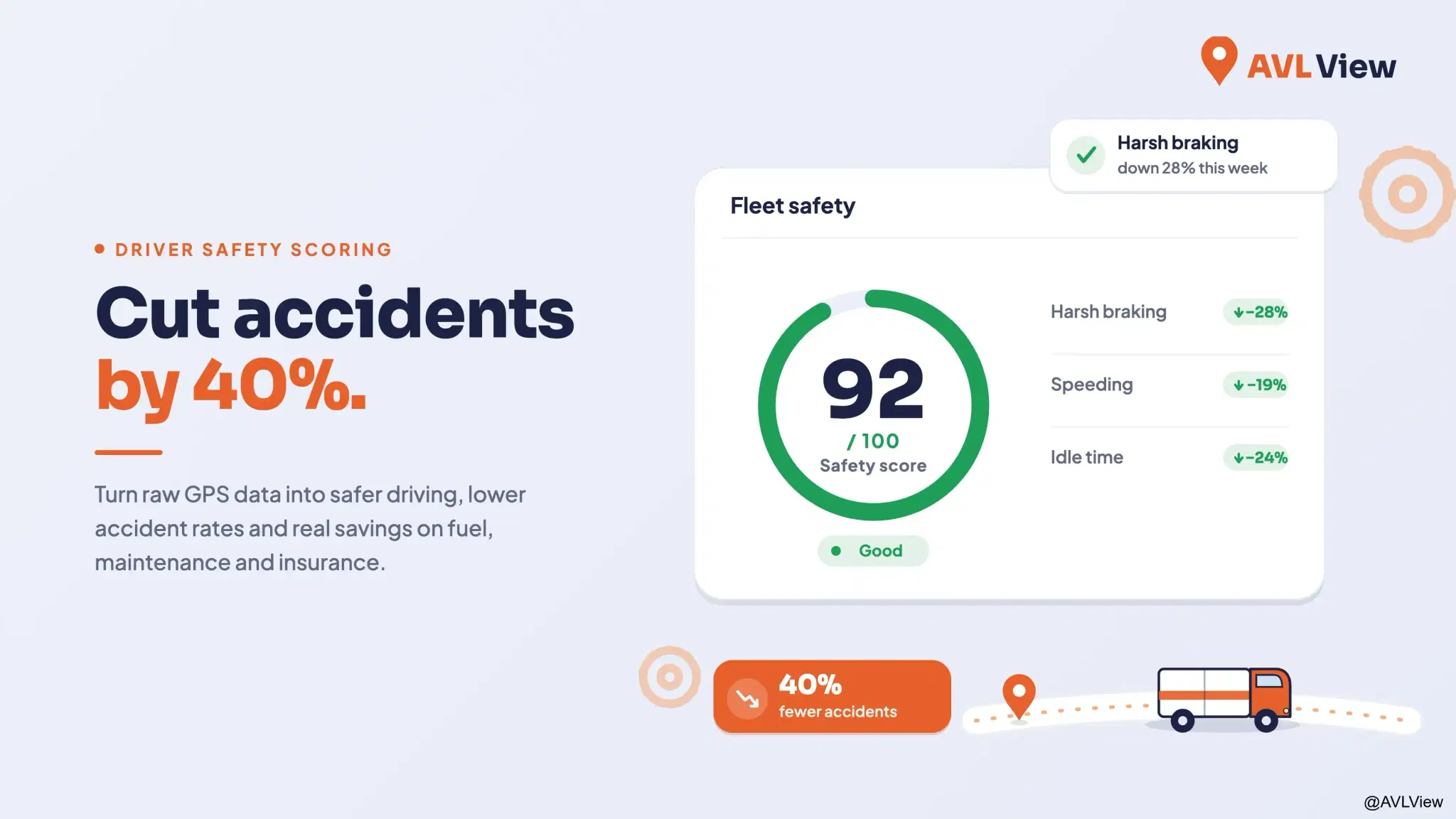
The Complete Guide to Driver Safety Scoring Systems
Learn how driver safety scoring systems work, how they reduce accidents by 40%, lower insurance premiums, and improve driving behaviour.
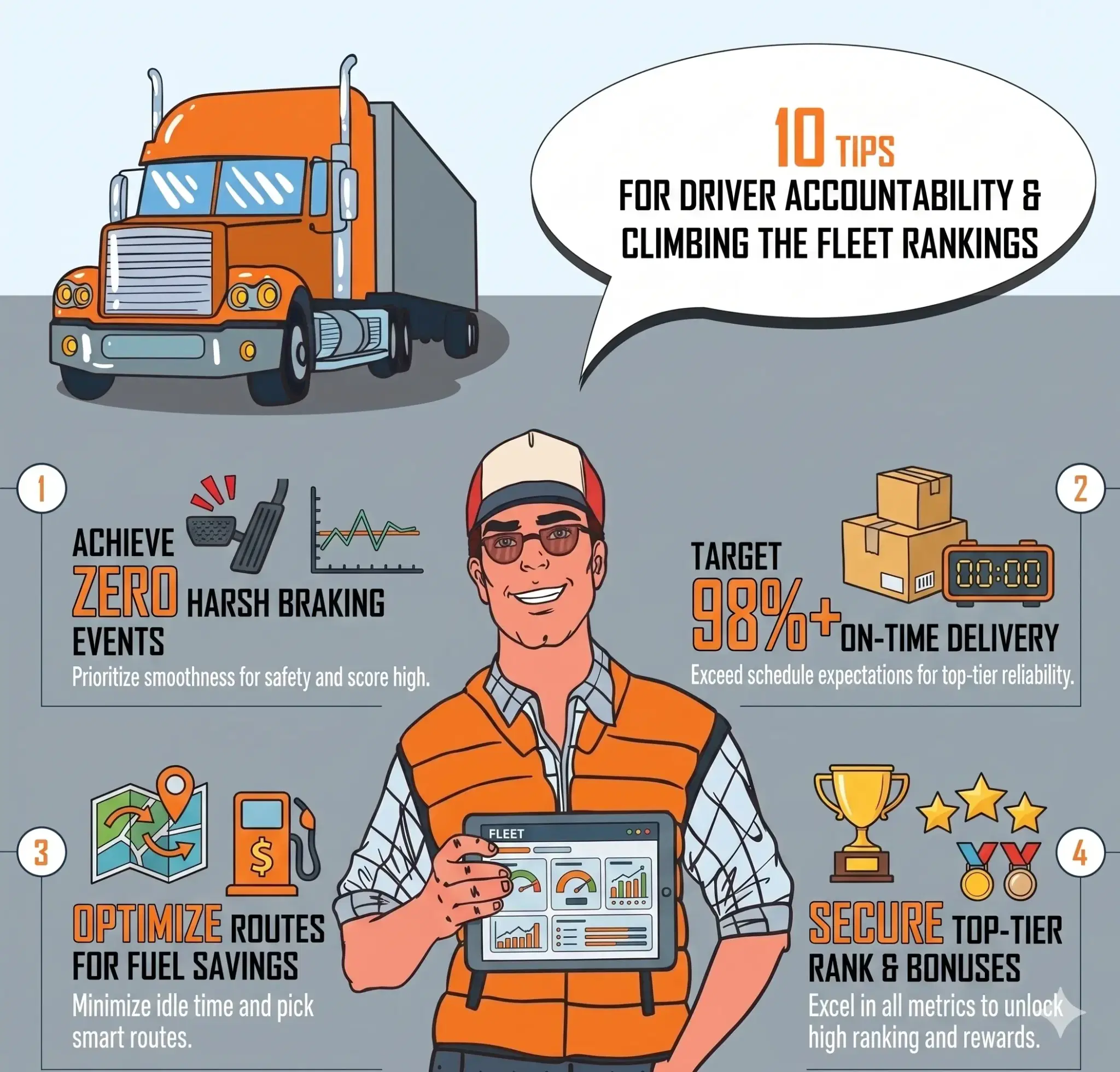
Driver Accountability: How Rankings Build Visibility and Healthy Competition
Rankings turn raw driving data into visible, comparable performance. See how safety scores, league tables, and trend tracking build accountability across your fleet.
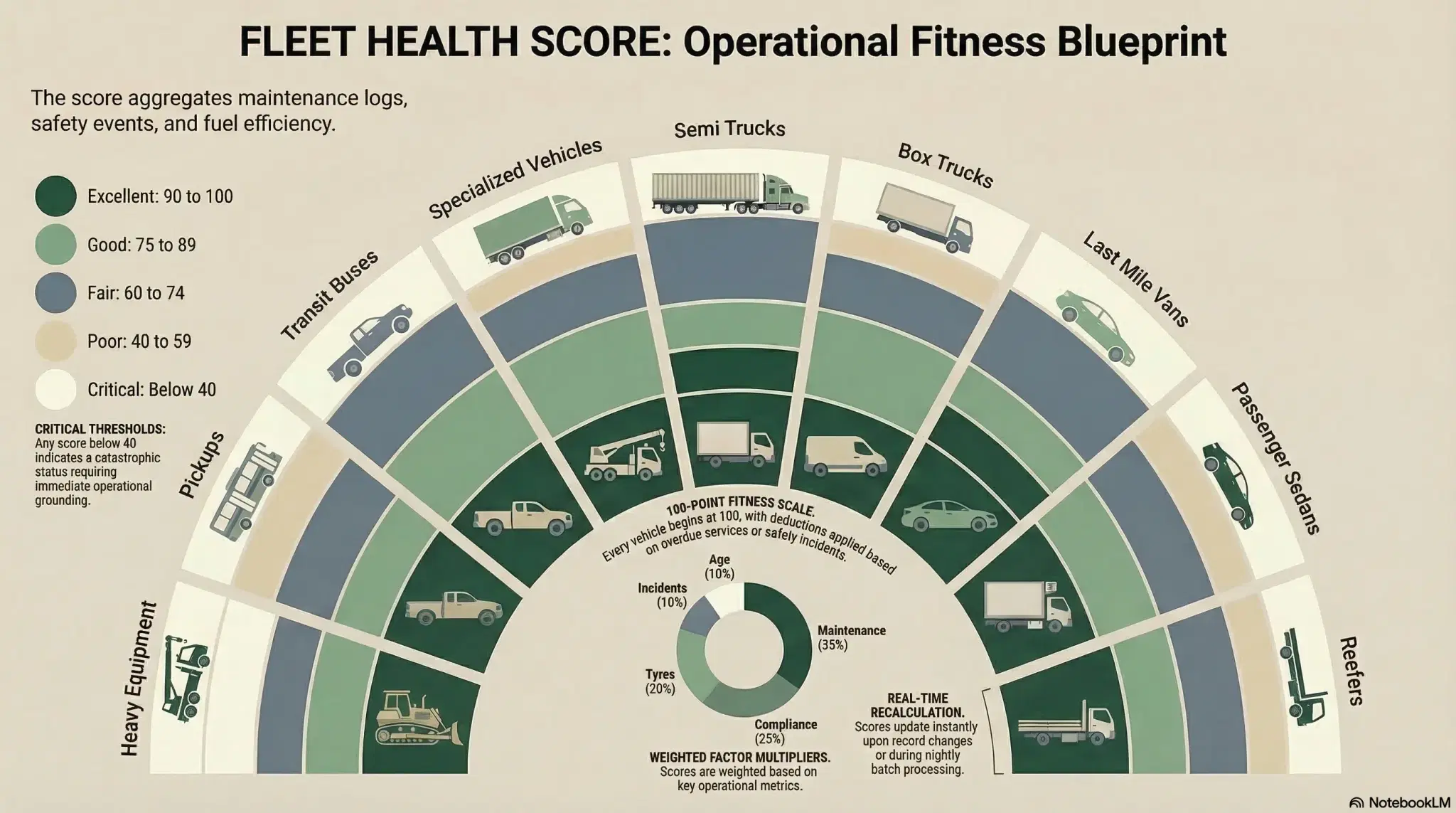
Fleet Health Score: One Number Per Vehicle
A single 0-100 fleet health score per vehicle replaces guesswork with clarity. Know exactly which vehicles need attention and why.
Join 43,000+ Fleet Owners Who Trust AVLView
AVLView helps you:
- Cut fuel costs by 8-15% within 90 days
- Improve driver safety and reduce accidents by 40%
- Get real-time visibility into every vehicle 24/7
- Automate reporting and save 10+ hours per week
- 30-day pilot program with no long-term commitment