How GPS Fleet Tracking Reduces Fuel Costs by 15%

What You'll Learn
Learn how GPS tracking detects fuel theft, reduces idling, and optimises routes to save 8–15% on fuel costs within 90 days.
Best for:
Logistics & Delivery professionals and fleet managers
Fuel is the single largest operating expense in any fleet budget — accounting for 30–40% of total costs across the Middle East, Africa, and Asia. Yet most fleet owners manage fuel consumption the same way they did 10 years ago: paper receipts, manual reconciliation, and blind trust in drivers. The result is a silent financial leak of 8–20% of the annual fuel budget.
Where Your Fuel Actually Goes
In a 30-vehicle fleet in Dubai or Riyadh, the monthly fuel budget runs between AED 60,000 and AED 120,000. Our data from over 43,000 fleets shows the leakage comes from four main sources:
1. Direct Fuel Theft (3–8%)
This includes draining fuel from the tank overnight, selling fuel at unofficial stations, and submitting forged or inflated receipts. In Africa — particularly Nigeria, Uganda, and Zambia — fuel theft is the single largest source of losses in commercial fleets.
2. Excessive Idling (5–10% of Consumption)
Engine running, vehicle stationary — whether waiting for loading, during lunch breaks, or simply to keep the air conditioning on. In the Gulf's hot climate, idling is a bigger problem because drivers leave the engine running to cool the cabin. Every hour of idling consumes 3–5 litres of fuel.
3. Inefficient Routes (5–15% Extra Kilometres)
Without route optimisation, drivers take familiar roads rather than the shortest ones. The difference accumulates daily into hundreds of extra kilometres per month.
4. Aggressive Driving (8–15% Extra Consumption)
Harsh acceleration, sudden braking, and excessive speed all increase fuel consumption significantly. An aggressive driver consumes 15–30% more fuel than a smooth driver on the same route.
How GPS Tracking Exposes These Leaks
A GPS tracking system connected to a fuel level sensor gives you complete visibility:
- Real-time fuel level monitoring: Instant alert on any sudden drop in tank level (theft indicator)
- Idling reports: How many minutes each driver spends idling daily and weekly
- Consumption comparison: Compare each vehicle's consumption against the normal rate for the same model on the same route
- Driving behaviour reports: Rank drivers by fuel efficiency
Real Results: 15% Savings in 90 Days
A transport company in Lagos with 80 trucks was spending the equivalent of AED 350,000 per month on fuel. After enabling GPS tracking with fuel monitoring:
- 11 organised fuel theft cases detected in the first month
- Idling time dropped by 45% after activating alerts
- Daily distance covered fell by 12% thanks to route optimisation
- Total savings: AED 52,500 per month (15%)
A distribution company in Singapore with 25 light vehicles achieved 11% savings within 60 days — mostly from reduced idling and improved driving behaviour.
Fuel Savings Calculator
To estimate the expected savings for your fleet:
- 5 vehicles: AED 3,000–6,000/month savings
- 20 vehicles: AED 12,000–24,000/month savings
- 50 vehicles: AED 30,000–60,000/month savings
- 100 vehicles: AED 60,000–120,000/month savings
Getting Started with Fuel Monitoring
With AVLView, you can start monitoring fuel consumption within 48 hours. The platform supports over 200 GPS device models and integrates with market-leading fuel sensors.
Start the 30-day pilot programme and find out how much fuel you are actually losing every month.
Ready to Transform Your Fleet Operations?
See how AVLView helps fleet managers like you cut costs, improve safety, and boost efficiency with real-time GPS tracking.
Related Articles
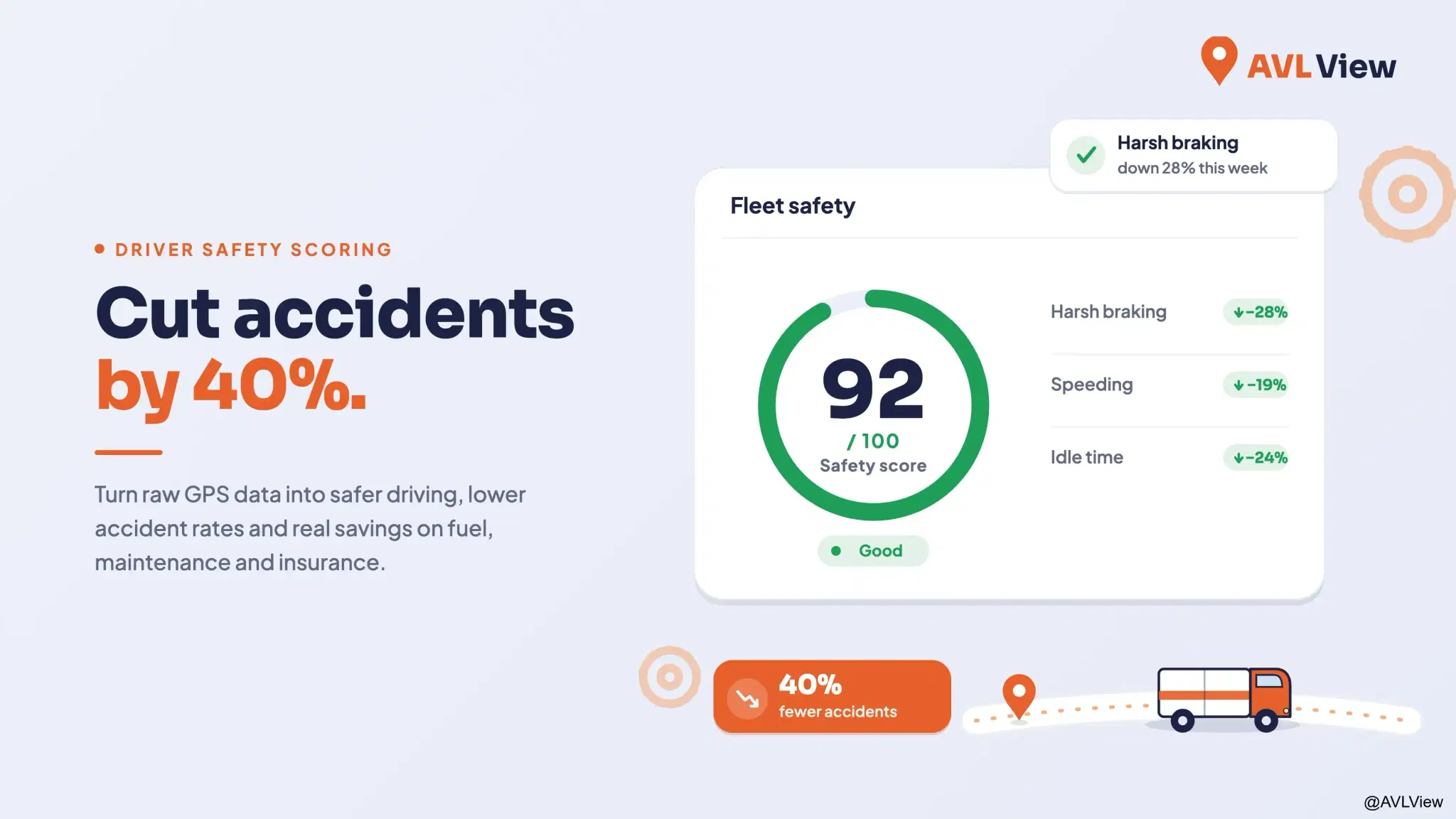
The Complete Guide to Driver Safety Scoring Systems
Learn how driver safety scoring systems work, how they reduce accidents by 40%, lower insurance premiums, and improve driving behaviour.
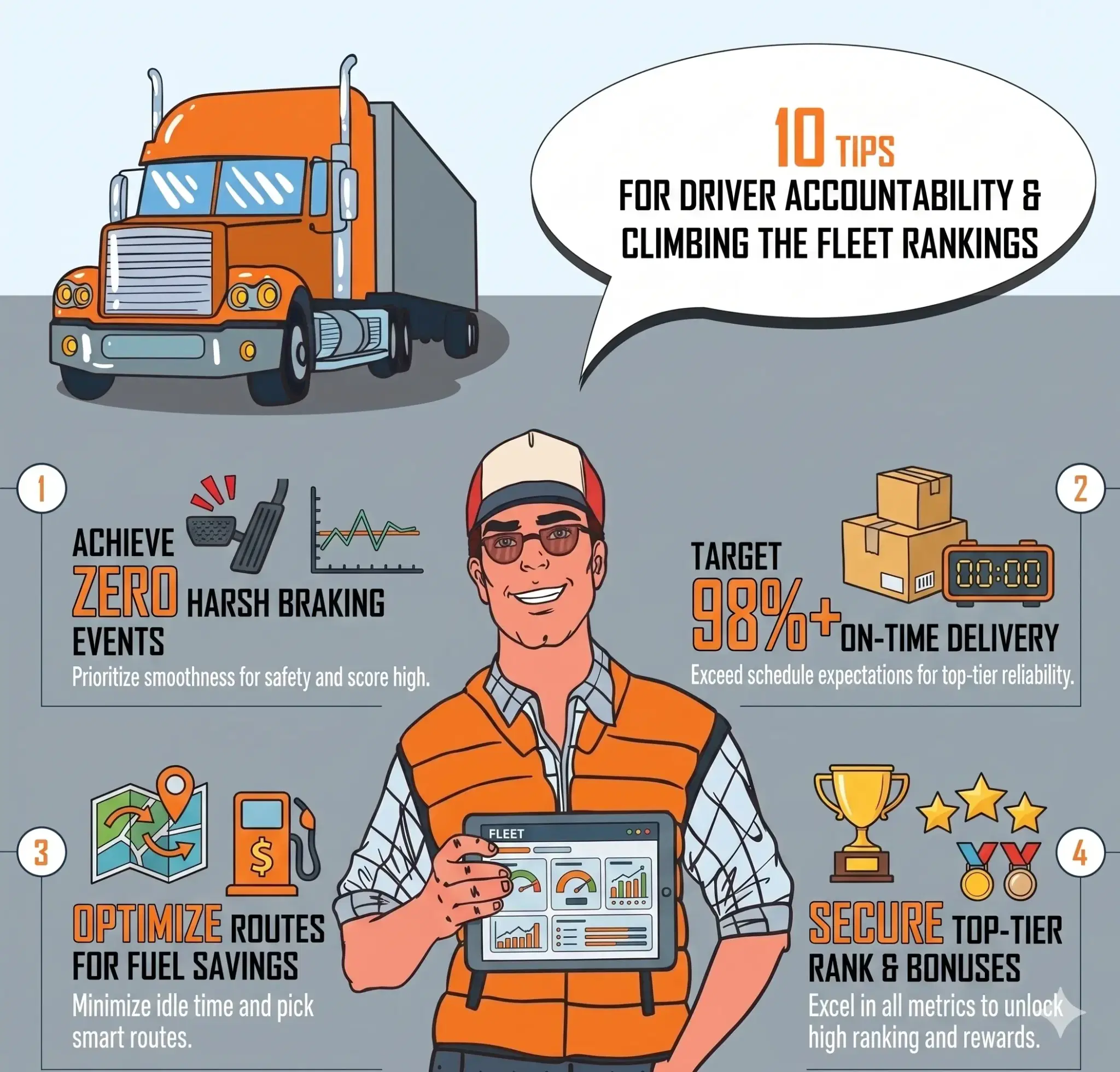
Driver Accountability: How Rankings Build Visibility and Healthy Competition
Rankings turn raw driving data into visible, comparable performance. See how safety scores, league tables, and trend tracking build accountability across your fleet.
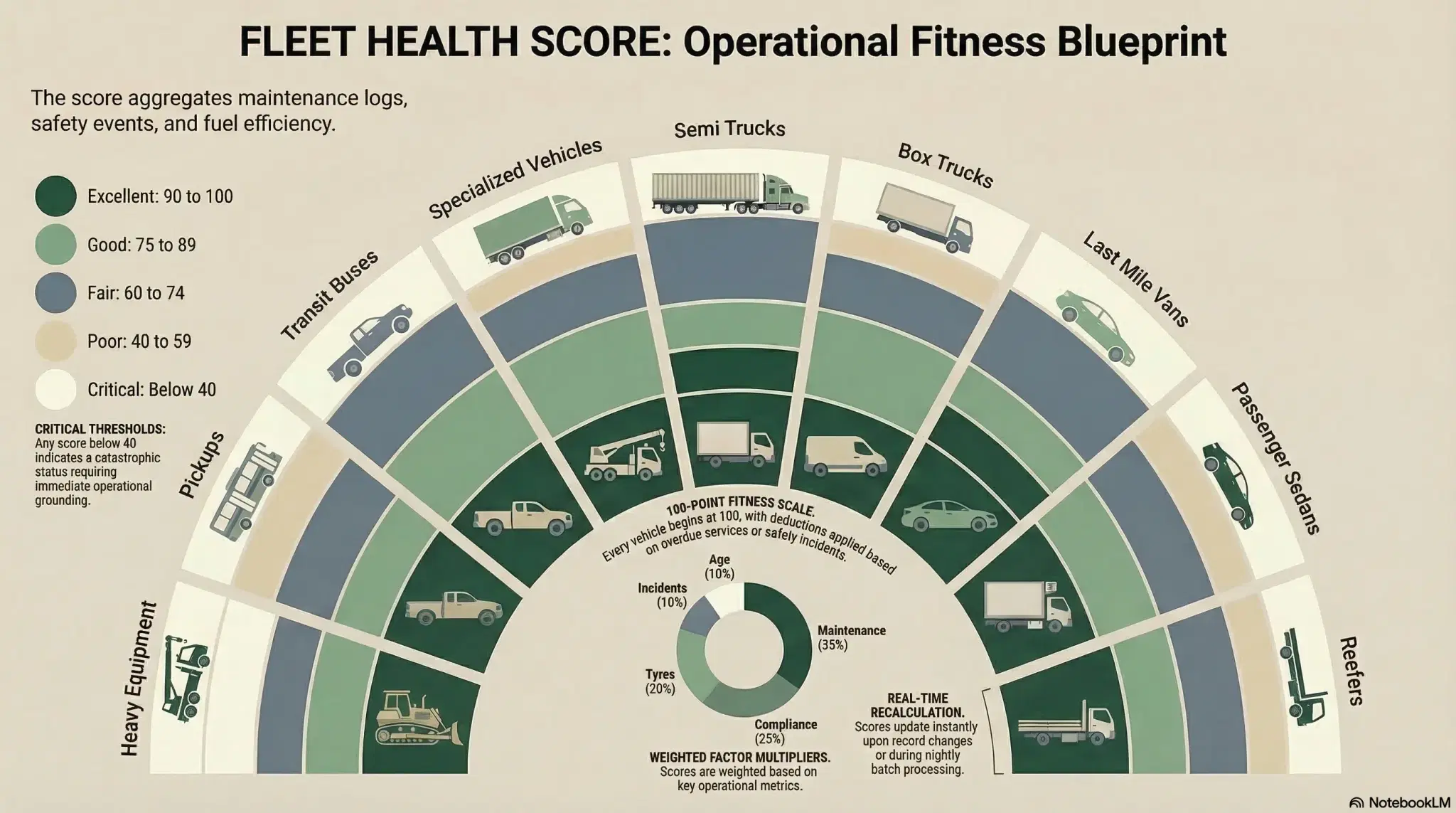
Fleet Health Score: One Number Per Vehicle
A single 0-100 fleet health score per vehicle replaces guesswork with clarity. Know exactly which vehicles need attention and why.
Join 43,000+ Fleet Owners Who Trust AVLView
AVLView helps you:
- Cut fuel costs by 8-15% within 90 days
- Improve driver safety and reduce accidents by 40%
- Get real-time visibility into every vehicle 24/7
- Automate reporting and save 10+ hours per week
- 30-day pilot program with no long-term commitment